
Mission
The program seeks to prepare distinguished medical cadres in the field of oral and dental medicine and surgery in accordance with local and regional specifications for the dental profession, in order to contribute to achieving comprehensive development and meeting the needs of the local and regional labor market. This is achieved through high-quality academic courses that keep pace with scientific developments, highly qualified academic staff, modern teaching methods and technologies, and an educational environment that encourages innovation, development, and continuous learning.
Objectives
- To provide students with theoretical knowledge and applied medical skills, and to equip them with sound basic principles related to the specialization of dentistry and its sciences according to an approved scientific methodology.
- To develop students’ ability to diagnose symptoms associated with general systemic diseases and oral and dental diseases, their interrelationship, methods of treatment, medications used, and drug interactions.
- To train students in the optimal and proper use of medical tools, devices, and supplies, and in infection control, ensuring their personal safety and the safety of patients.
- To equip students with self-learning skills and enhance their scientific and research capabilities.
- To develop students’ scientific thinking by enhancing their abilities in reasoning, induction, criticism, analysis, communication, and effective interaction with others.
Learning Outcomes
- Knowledge and Understanding
Upon successful completion of the Bachelor’s program in Dentistry, the graduate will be able to:
A1. Describe the scientific foundations of dentistry and the related biomedical and behavioral medical sciences that form the basis for understanding human growth, development, and health.
A2. Explain the structure and function of the healthy human body and diseases related to the practice of dentistry.
A3. Identify the rules and ethics governing dental practice.
A3. Describe the clinical and laboratory procedures and various examinations followed in dentistry.
A4. Demonstrate understanding of the psychological, cultural, and social factors that affect the management and prevention of oral diseases.
A5. Explain the principles of evidence-based dentistry and its relationship to scientific research.
- Intellectual / Cognitive Skills
Upon successful completion of the Bachelor’s program in Dentistry, the graduate will be able to:
B1. Integrate basic theoretical and behavioral medical sciences and dentistry with clinical signs and symptoms to appropriately understand and manage disease.
B2. Apply critical thinking and evidence-based problem solving when providing patient care.
B3. Prioritize patient treatment needs and formulate an appropriate treatment plan.
B4. Develop preventive strategies at different levels according to the targeted needs of individuals and the community.
- Professional and Practical Skills
Upon successful completion of the Bachelor’s program in Dentistry, the graduate will be able to:
C1. Create and record a comprehensive case history, perform appropriate physical examinations, and conduct various investigations to reach correct diagnosis and treatment.
C2. Apply infection control and radiation protection in accordance with international standards.
C3. Apply preventive measures for different age groups, taking into account the varying needs of young children, adolescents, adults, individuals with special needs, and the elderly.
C4. Determine when, how, and where to refer a patient to a specialist based on clinical evaluation.
- General and transferable Skills
Upon successful completion of the Bachelor’s program in Dentistry, the graduate will be able to:
D1. Commit to continuing education, self-development, continuous learning, and research in order to remain up to date with developments in dental medicine and technology.
D2. Maintain complete and accurate clinical records (manual and electronic).
D3. Demonstrate leadership and teamwork skills with colleagues and other oral healthcare team members to provide appropriate and effective dental care.
D4. Manage time, prioritize treatment, and work within specified time limits.
D5. Demonstrate appropriate behavior in various personal and professional situations to maintain the profession’s high level of respect within society.
An overview
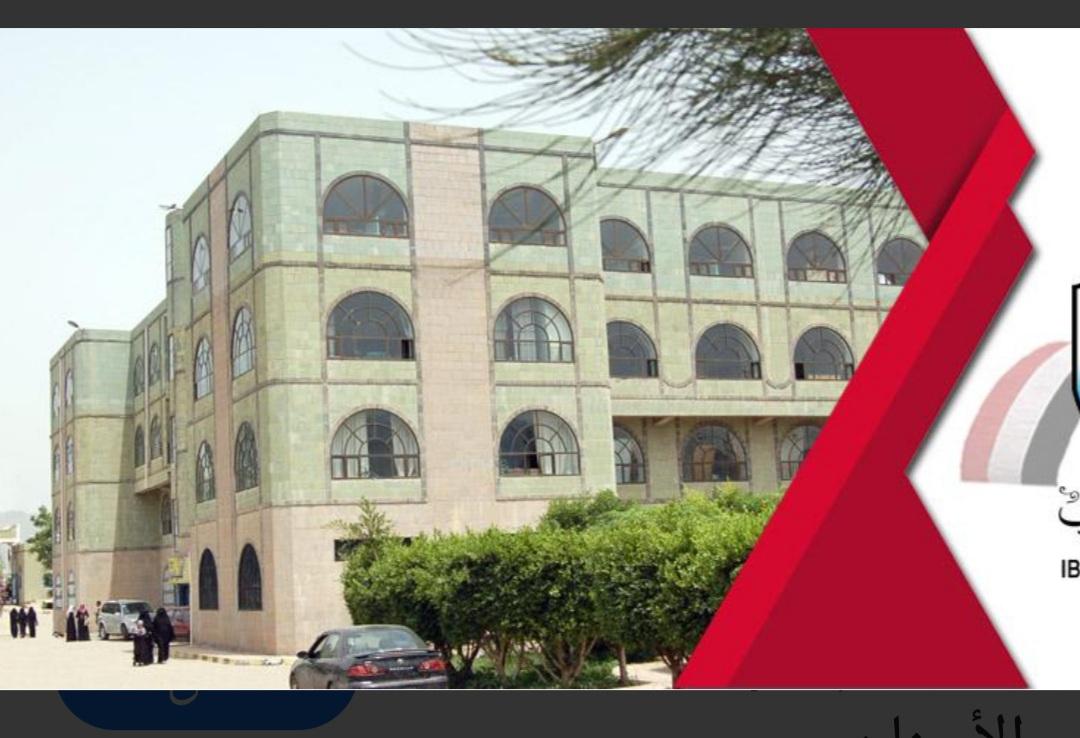
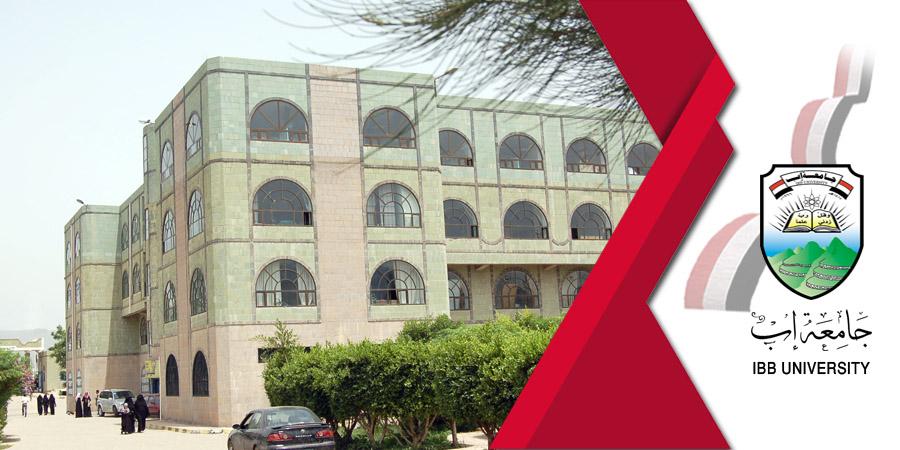
The Bachelor of Oral and Dental Medicine and Surgery program at Ibb University is an integrated academic and professional program designed to prepare highly competent dentists who combine solid scientific knowledge with precise practical skills. The program focuses on meeting the needs of Yemeni and regional communities by graduating cadres capable of providing oral, preventive, and restorative healthcare, with full commitment to professional ethics and modern academic standards.
Study Plan