



رسالة البرنامج
يسعى قسم القرآن الكريم وعلومه إلى تأهيل كوادر متخصصة ذات كفاءة عالية وتمكّن متميز في إعداد البحوث العلمية في تفسير القرآن الكريم وعلومه، قادرة على المنافسة على المستوى الوطني، وتلبية احتياجات سوق العمل، وخدمة المجتمع.
أهداف البرنامج
-
تعميق وتأصيل البحث العلمي لدراسة علوم القرآن الكريم.
-
توجيه وتنمية ملكة النقد والتحليل لدى الدارسين.
-
تمكين الدارسين من معرفة المصادر التفسيرية ومناهجها.
-
إكساب الدارسين المهارات اللازمة للإفادة من المصادر المتنوعة في تفسير القرآن الكريم.
-
تمكين الدارسين من الإلمام بأسس البحث العلمي.
-
تحسين أداء كوادر وزارة التربية والتعليم وكليات المجتمع في مجال علوم القرآن الكريم.
مخرجات التعلم
المعرفة
-
معرفة المحددات الأخلاقية لممارسة مهنة التعليم من منظور إسلامي.
-
الإلمام بأسس اختيار المحتوى ومشكلات تخطيط المنهج.
-
التدريب على تحليل بعض القضايا والمشكلات في تدريس العلوم الشرعية.
-
معرفة مناهج وطرائق تدريس علوم القرآن الكريم.
-
إجراء البحوث وجمع المعلومات بهدف دعم التعليم والنمو المتكامل لجميع المتعلمين.
-
الإلمام بأساليب القرآن الكريم وأوجه إعجازه من خلال تفسيره.
-
الإحاطة بالمنهج الصحيح في تفسير كلام الله تعالى.
-
معرفة أصول القراءات السبع.
-
معرفة الطرق التي يسلكها الطالب للوصول إلى مواضع الحديث.
-
معرفة الاتجاهات المختلفة في التفسير.
المهارات الذهنية
-
تحليل أنواع البحث العلمي.
-
إتقان أهم مهارات البحث العلمي.
-
إتقان أساليب ومهارات التعامل مع المراجع والمصادر.
-
إتقان كتابة البحث العلمي.
-
إتقان مهارات التوثيق.
-
الإحاطة بمصادر أصول التفسير، بما في ذلك كتب أصول التفسير، ومقدمات كتب التفسير، وكتب علوم القرآن، واستقراء التفاسير.
-
الإلمام بحكم التفسير وأقسامه وفضله، والفرق بين التفسير والتأويل.
-
ممارسة فهم القراءات القرآنية المتنوعة واستيعاب أوجه الاختلاف بينها.
-
الوعي بما ترشد إليه الآيات من فوائد عامة، وعقائد، وأحكام، وأخلاق، ومواعظ، وعبر.
-
تخريج عدد من الأحاديث النبوية.
-
المقارنة بين المؤلفات الحديثة من حيث مناهج مؤلفيها وتنظيم المادة العلمية وغيرها.
المهارات المهنية
-
تنمية قدرة الطالب على تصميم مناهج العلوم الشرعية.
-
القدرة على التفاعل الإيجابي مع أعضاء مجتمع التعلم والعمل.
-
اختيار البرامج المناسبة التي تساعد الطلاب على تعلم العلوم الشرعية.
-
استخدام المعلومات للبحث عن المراجع المطلوبة لإنجاز الواجبات.
-
إتقان مهارات البحث والتحليل واسترجاع المعلومات.
-
استخدام تقنية المعلومات للبحث عن المراجع المطلوبة للواجبات.
-
تنمية قدرة الطالب على الحوار والنقاش المسؤول.
-
تنمية قدرة الطالب على النقد البنّاء وتقبّل النقد والملاحظات من الطلاب.
-
تنمية قدرة الطالب على التعبير عن الآراء والأفكار بوضوح.
-
تنمية قدرة الطالب على التواصل مع زملائه.
-
تطوير قدرة الطالب على استخدام الحاسوب والتقنيات التعليمية الحديثة.
-
تطوير قدرة الطالب على استخدام الإنترنت والاستفادة منه والتواصل مع الآخرين عبره.
-
تطوير أساليب تعلم الطالب وتعليمه بما يتوافق مع مستجدات وسائل الاتصال والتواصل.
المهارات العامة
-
إبراز جهود العلماء في تأصيل علوم القرآن وتقريبها للدارسين.
-
تدريب الطالب على البحث والتدقيق ليصبح قادرًا على إنجاز البحوث المتخصصة.
-
تشكيل فرق عمل والتواصل مع المنظمات والهيئات لتطوير خبرات الطالب في تخصص علوم القرآن.
-
نشر الوعي الصحيح من خلال التواصل العلمي بمختلف أساليبه ووسائله.
نبذة عن البرنامج
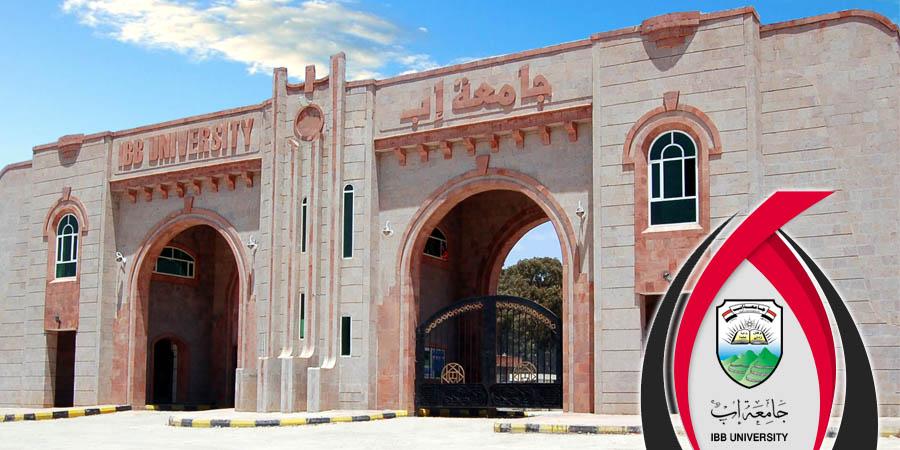
يتطلع قسم القرآن الكريم وعلومه بكلية العلوم التطبيقية والتربوية في النادرة – جامعة إب إلى إعداد كوادر متخصصة قادرة على الريادة التعليمية والبحثية في علوم القرآن الكريم وخدمة المجتمع.
مميزات البرنامج
-
يجمع البرنامج بين الأصالة والمعاصرة، ويضم نخبة متميزة من أعضاء هيئة التدريس المؤهلين علميًا وبحثيًا، الذين لهم إسهامات بارزة في إثراء البحث في علوم القرآن الكريم، كما سينفذ – بإذن الله – في منطقة نائية تشجع كثيرًا من خريجي الكلية على مواصلة دراساتهم العليا.
-
مصمم وفق معايير الجودة والاعتماد الأكاديمي.
-
رفد المنطقة والمجتمع بمتخصصين في مجال علوم القرآن الكريم.
مجالات العمل بعد التخرج
-
إتقان تطبيق مناهج البحث العلمي في تخصص علوم القرآن الكريم.
-
تطبيق المفاهيم والمعارف المتخصصة في علوم القرآن الكريم.
-
تحديد المشكلات التي تواجه دارسي علوم القرآن والقدرة على إيجاد الحلول المناسبة لها.
-
إظهار المهارات المهنية والقدرة على استخدام الوسائل التكنولوجية المناسبة.
-
إظهار الوعي بالدور في تنمية المجتمع والحفاظ على البيئة في ضوء المتغيرات الإقليمية والعالمية.
-
تنمية الذات أكاديميًا ومهنيًا والقدرة على التعلم المستمر.
المعامل
لا يوجد.
الخطة الدراسية
| م | مقررات الفصل الأول | عدد الساعات | مقررات الفصل الثاني | عدد الساعات |
|---|---|---|---|---|
| 1 | مناهج البحث في القرآن وعلومه | 3 | مناهج المفسرين | 3 |
| 2 | العقيدة الإسلامية | 3 | التفسير التحليلي | 3 |
| 3 | طرق تدريس علوم القرآن | 3 | إعجاز القرآن الكريم | 3 |
| 4 | أصول القراءات | 3 | أثر القراءات في تفسير القرآن الكريم | 3 |
| 5 | أصول التخريج ودراسة الأسانيد | 3 | مناهج المحدثين | 3 |
| الرسالة (ست ساعات معتمدة) | 6 |
مفردات المقررات الدراسية
نفس المقررات الواردة في الخطة الدراسية.